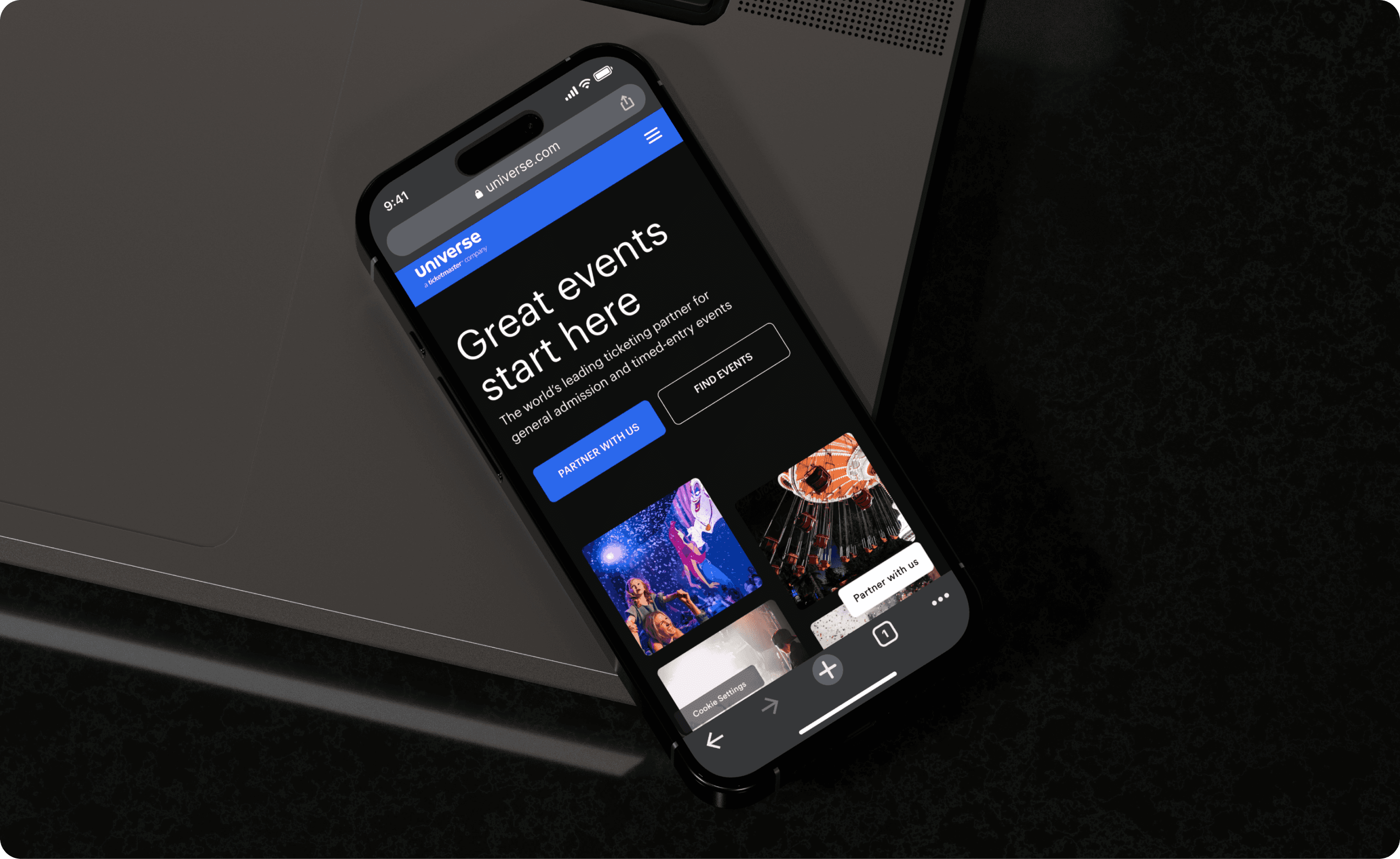
Designing a bulk editing platform that made complex changes intuitive.
90% Speed Increase
The average bulk edit went from 10 hours to under 5 minutes.
88% Error Proof
When users trust the platform, they feel confident making changes.
75% Adoption
Tells us users trusted the new system enough to actually use it at scale.
Conversion Engine
The feature helped sales teams upsell clients on contract.
Role
Solo Product Designer.
Assisted by 3 others.
3 months.
What i owned
Stakeholder management, design approach, leading usability testing, prototyping, and release.
Team
Product Manager.
3 Frontend Developers.
Skills
Designing with incomplete data.
Cross-team collaboration.
Solution
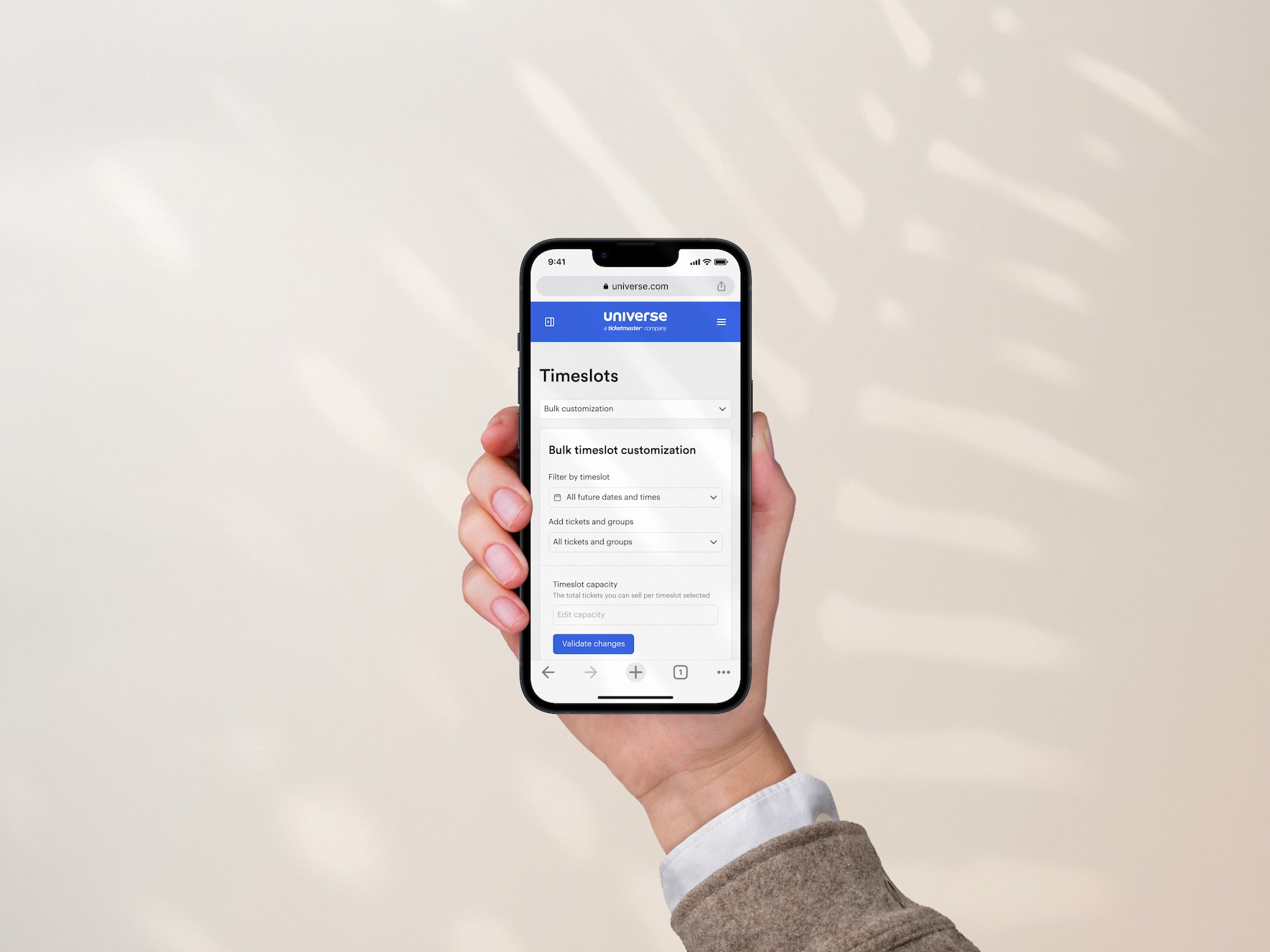
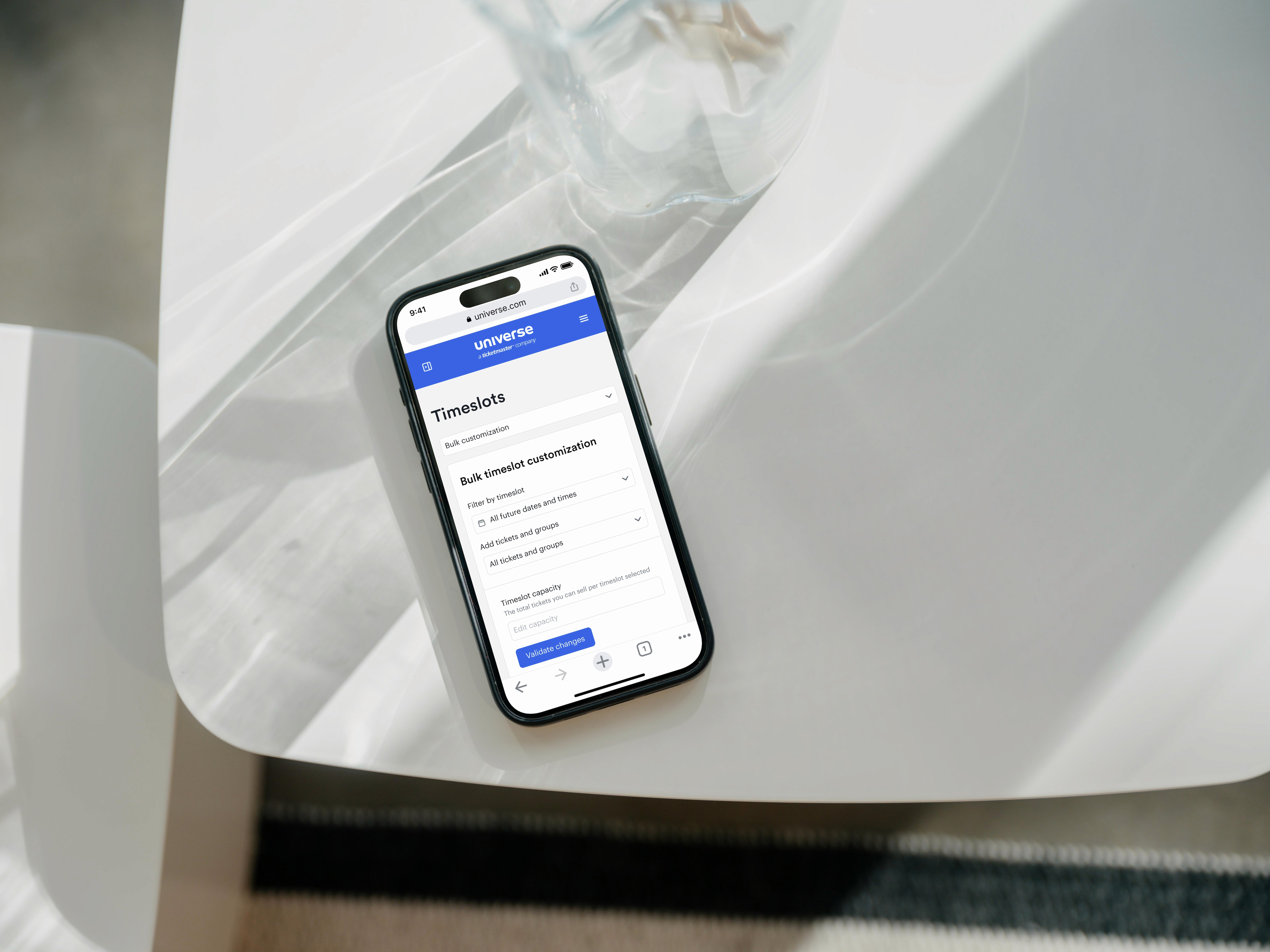
Users could make changes to their event timeslots and ticket types, then audit those changes at any time.
This became possible without needing to configure each value one at a time, preventing errors and hour-long workflows.
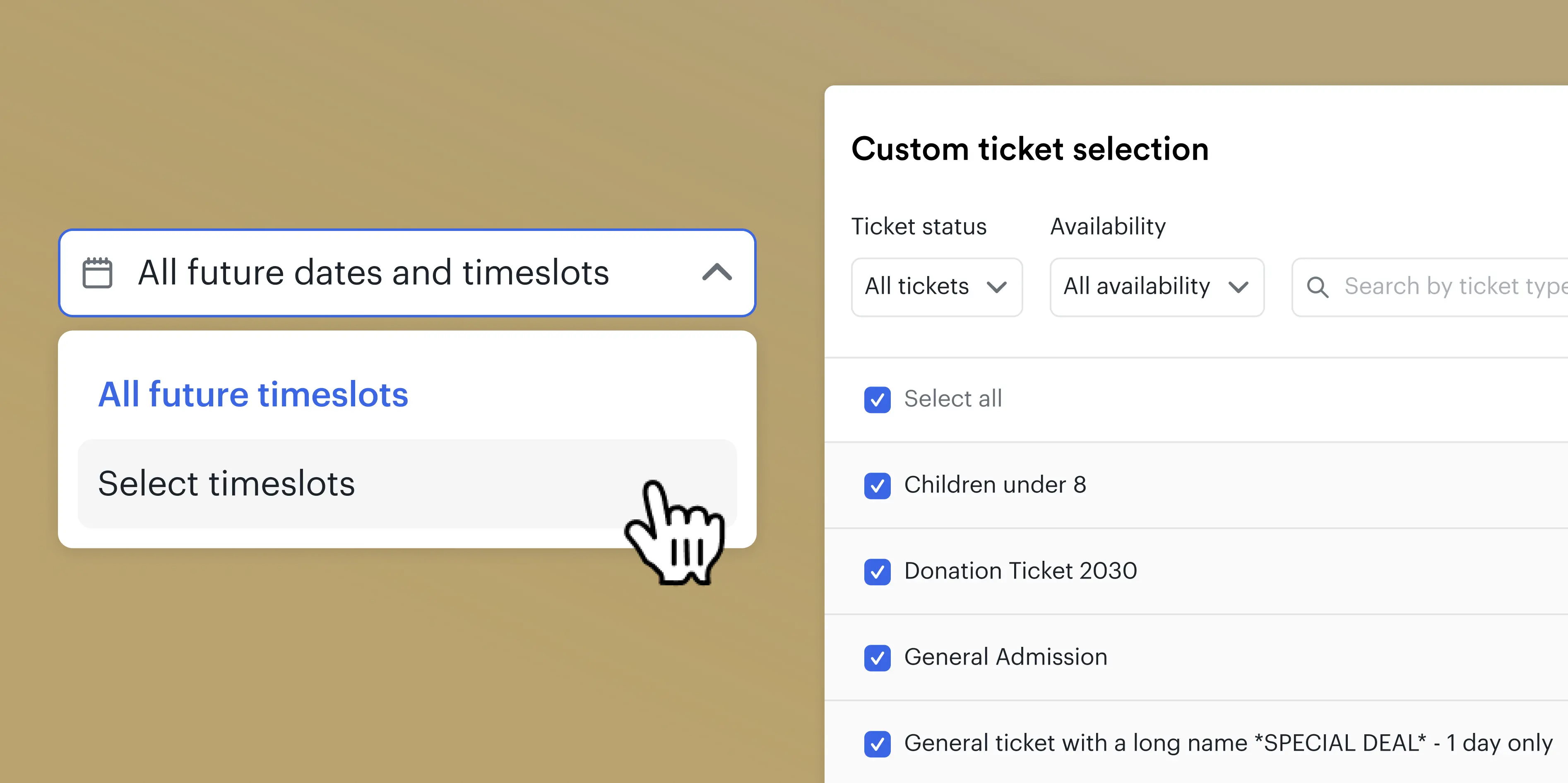
Users first choose the timeslots they want to modify, then the ticket types within them, applying intended adjustments accordingly.
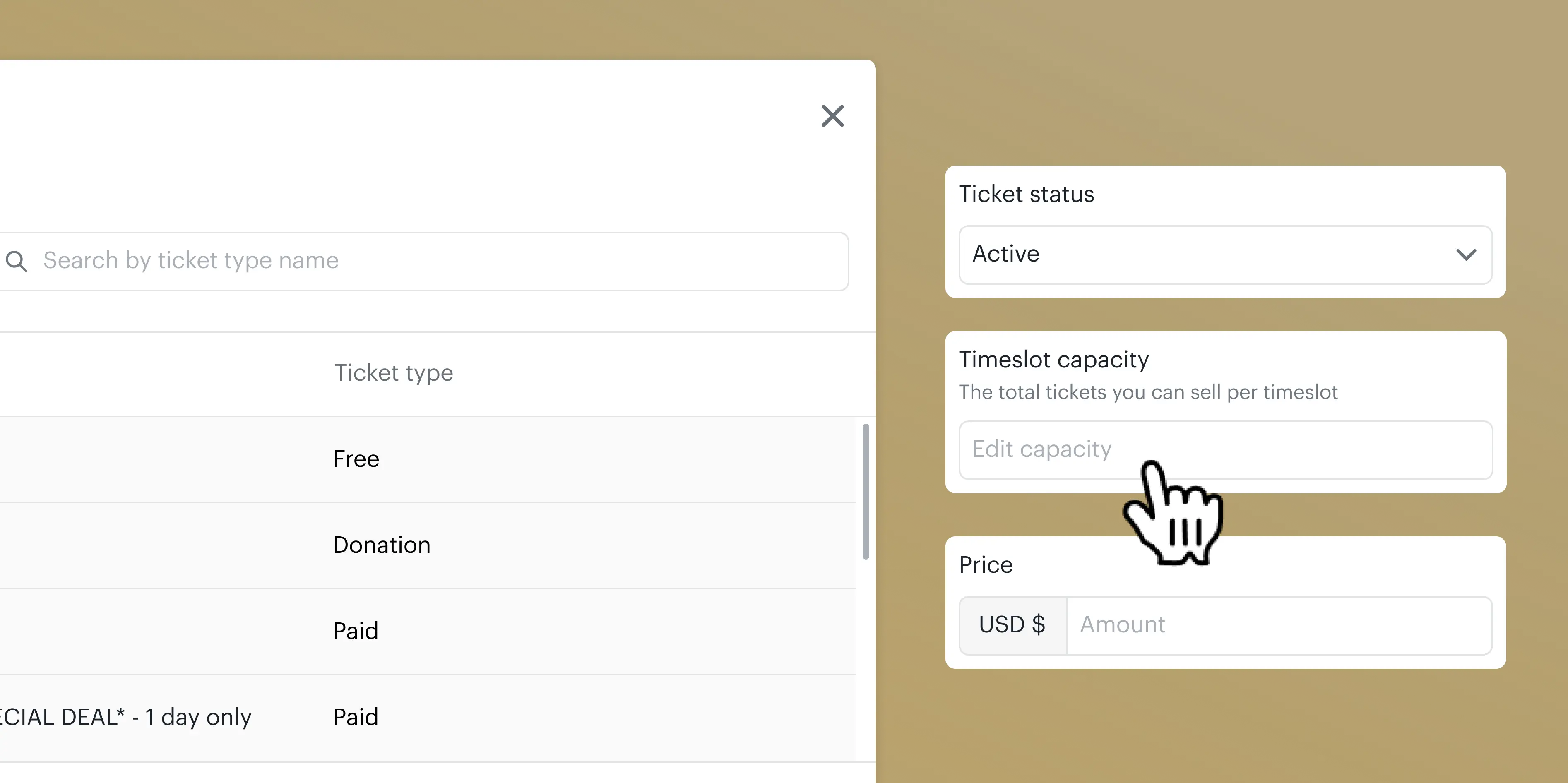
They could update event timeslot capacity, ticket status, quantity, and pricing without needing to filter through hundreds of items.
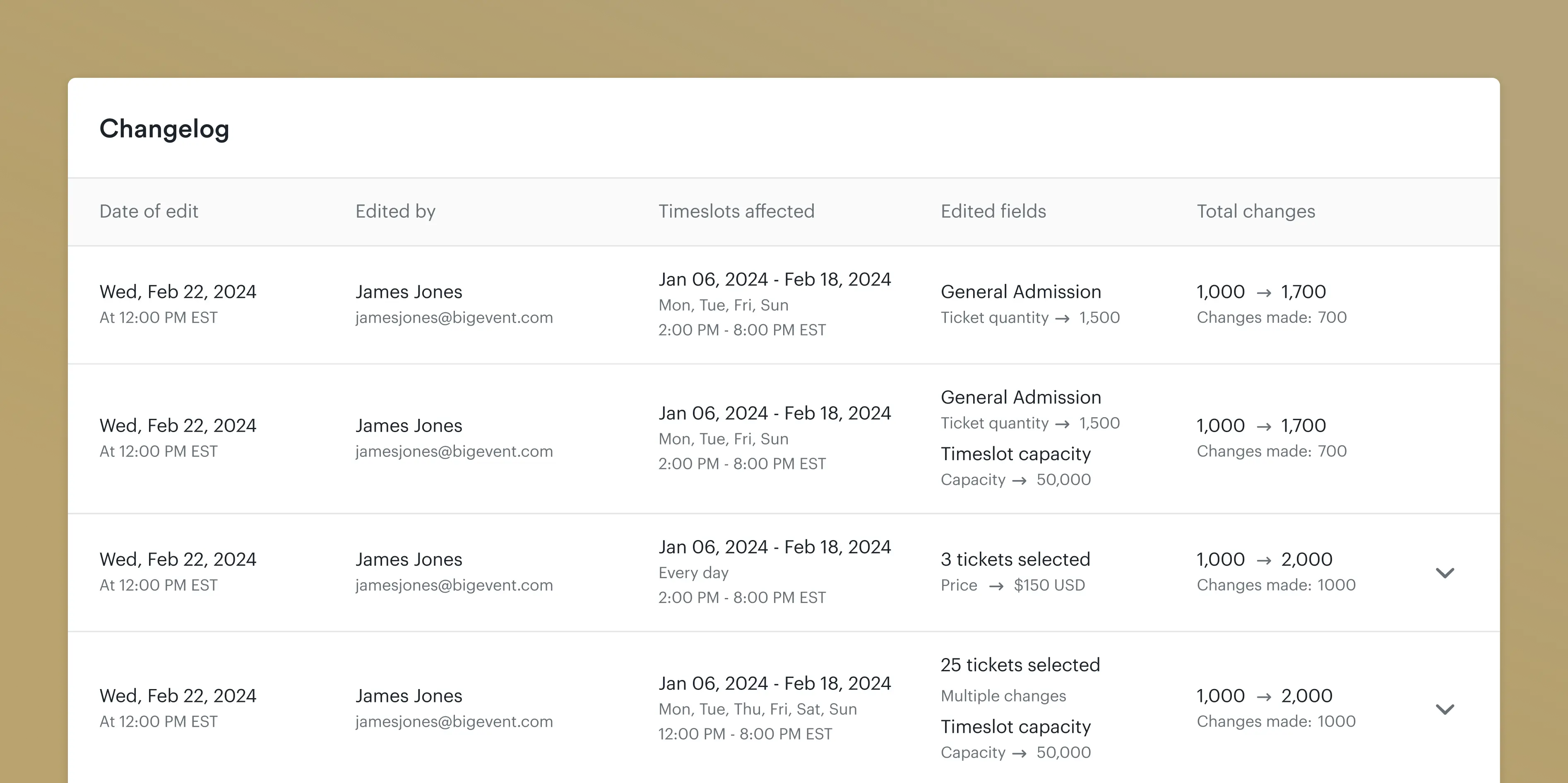
The change log shows what changes were made, when they were made, and by whom, making it easier to recall information.
PROBLEM
Edits led to errors that cost large-scale event organizers money and strained Universe’s customer support teams.
Users were hesitant to make changes on their own as it often took hours. a single mistake could ripple across the entire event, creating errors that affect revenue.
How might we design an intuitive, error‑resistant bulk‑editing feature that users trusted while reducing time spent on timeslot and ticket updates?
Organizers had to update every ticket and time slot one by one, turning large events into hours of error-prone manual work and creating operational strain.
Approach
My approach was to release iterations in milestones, monitoring usage and watching for edge cases.
I led iterations on my own, coming together with my team once a week to validate my approach. I also built publicly, making design work visible to the business.
Challenge
The project was projected for a fast turnaround, leaving little runway for discovery.
Solution
I solved for ambiguity by designing and testing quickly, allowing us to release and iterate early.
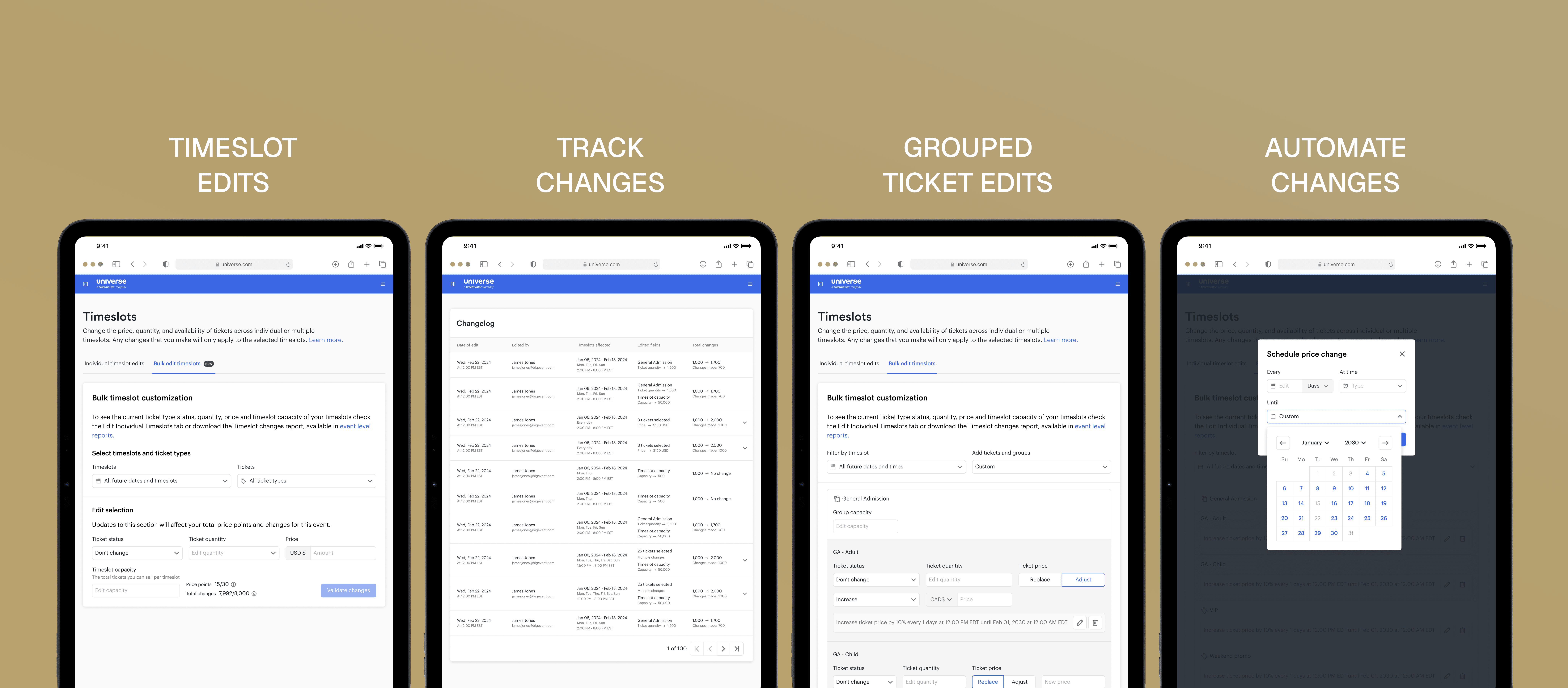
Trade-off
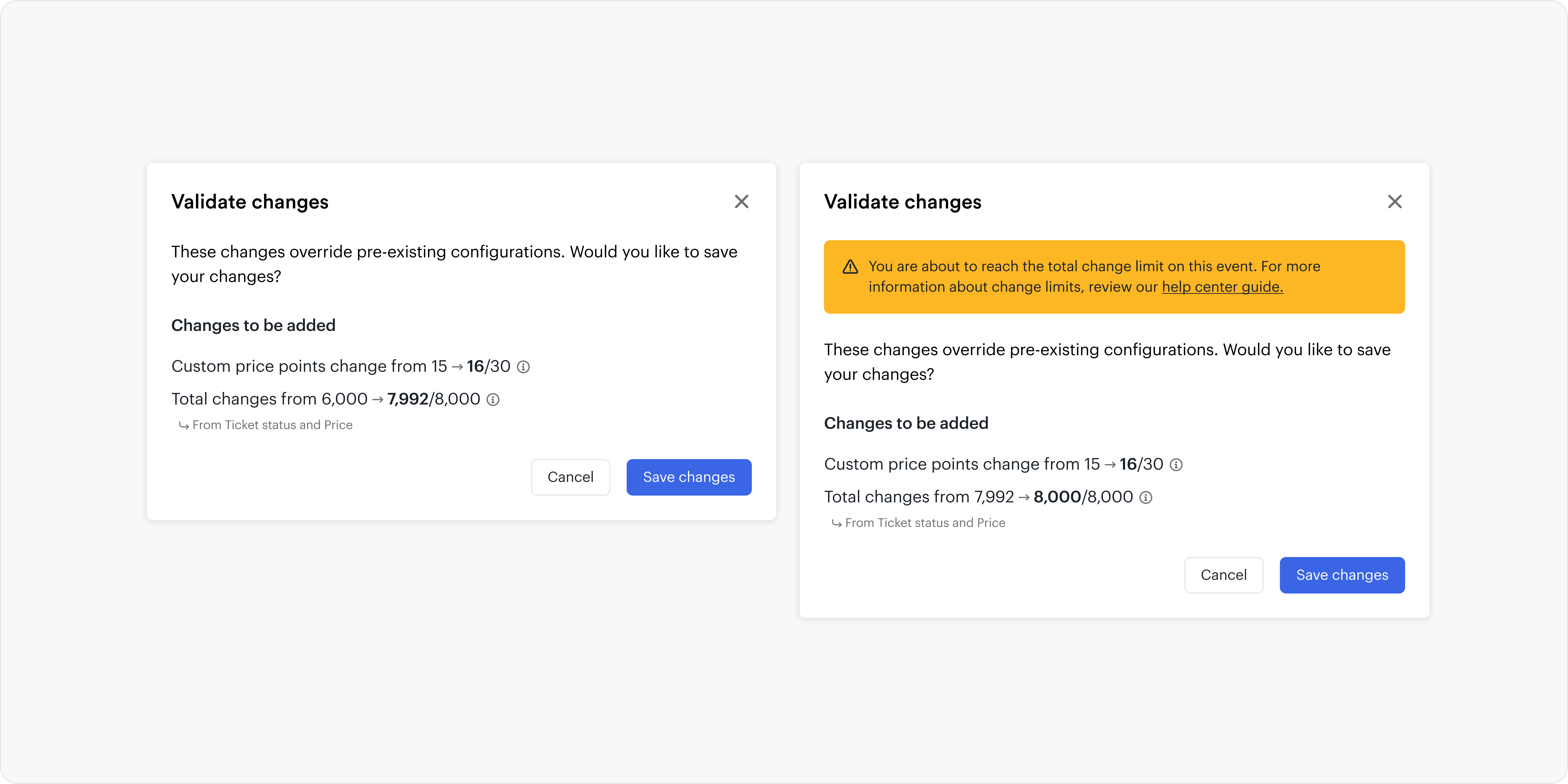
I optimized for safety in my designs so we could minimize user error as we monitored feedback. This would result in more rigid and verbose designs at first, but it protected users.
Designs
Bulk edits are often done with tables, but this approach caused performance and usability issues at Universe.
Hypothesis A combined individual and bulk edits in one flow, while Hypothesis B separated them and used tables auditing. Both had issues with cognitive load.


Removed tables and focused the experience to its most essential actions, making it easier for users to understand what order to do things and what was being affected.
Trade-off
By removing tables from the editing flow, I took away users’ ability to see their selections and changes in real-time. I did this because visibility of status was unclear and cognitive load was an issue. I re-introduced this information in a changelog.
Removing tables made designing for mobile much easier, making hand-off with developers seamless.

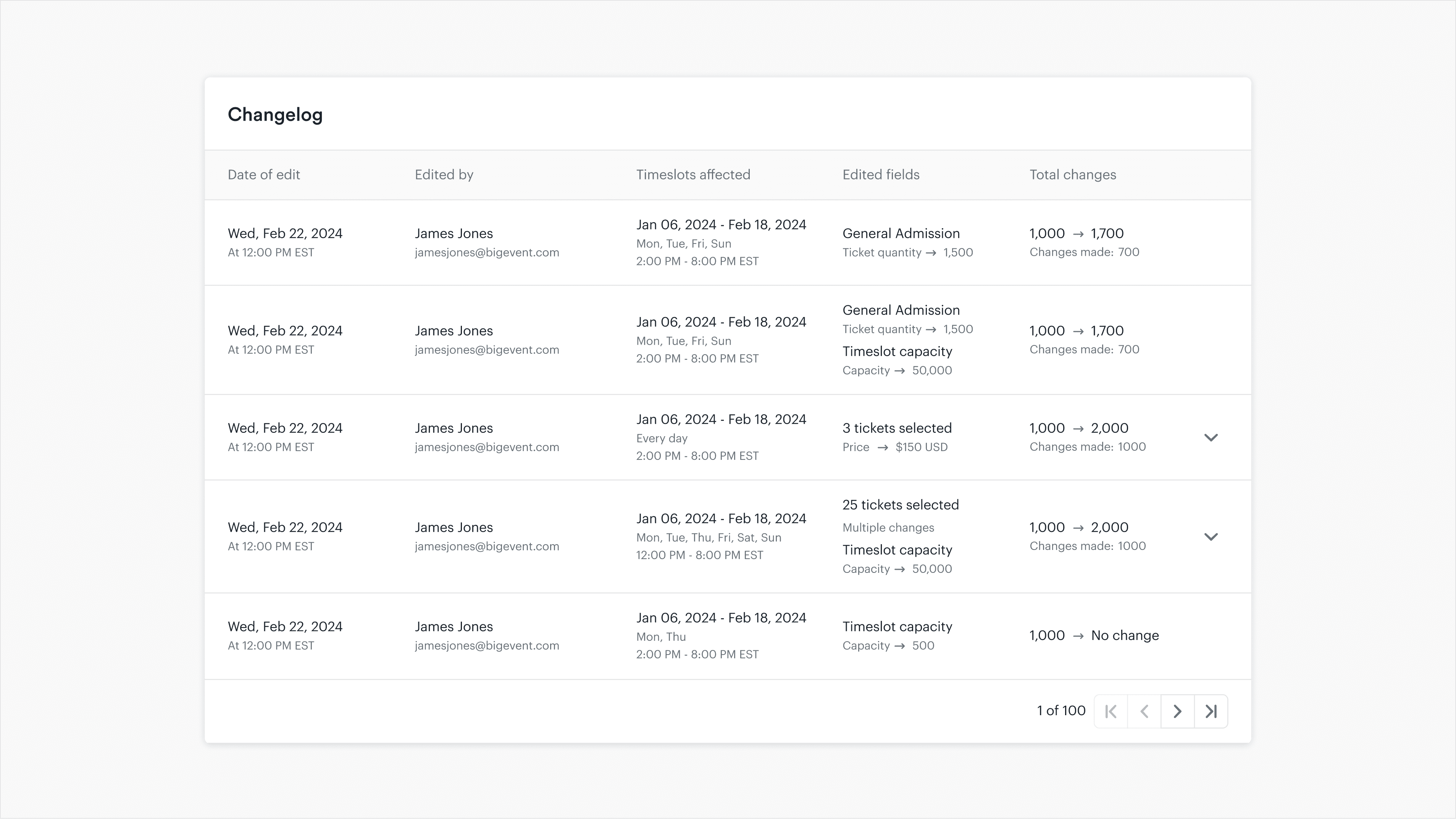
The changelog let users audit changes in later dates, giving them insights into causality and bringing accountability to timeslot edits.
Post release fEEDBACK
97% Success Rate
When users were tasked with actioning changes to ticket quantity and price.
Less than 10 minutes
To action changes to multiple time-slots and ticket types, down from 5+hours with individual edits.
77% Understanding
When users were asked about change hierarchy and preventative measures.
82% Approval Rating
When asked how they felt about our proposed solution, suggesting minor changes.
Outcome
Solving for ambiguity with a disciplined design approach.
By taking action instead of spending too much time on research, I was able to get real-world data as early as possible, validating designs and releasing within timelines.
Reflection
I learned to think outside the box, pivot, and how to act with imperfect data. This project is different from reports and many others I worked on at Universe, for it focused almost entirely on the design approach.

Next up